














Pribet Casino No Deposit Bonus Today

In 2026 Pribet is available in Italy for adult users: it's worth understanding offers, limits, and times before playing.

Fortune Gems 2 Slot

Table of Contents

  • The Dog House Megaways Slot
  • Lucky Joker 10 Extra Gifts Slot
  • Sword of Ares Slot
  • Floating Dragon Hold & Spin Slot
  • Leprechaun Riches Slot
  • Fruit Cocktail Slot
  • The Dog House Megaways Slot
  • Sword of Ares Slot
  • Fruit Million Slot
  • The Dog House Megaways Slot
  • Big Fisherman Slot
  • Big Fisherman Slot
  • Seven Books Unlimited Slot
  • PriBet Fortune Slot
  • Sword of Ares Slot
  • Floating Dragon Hold & Spin Slot
  • 9 Mad Hats Slot
  • Floating Dragon Hold & Spin Slot
  • Big Bass Splash Slot
Bonus 1

How to Read Pribet Bonus Code Calmly

When a user sees an initial incentive, they often immediately think of the practical advantage and only later about the conditions. This is the wrong order. On a gaming platform, the most useful part comes before the final click: understanding how the offer is activated, at what stage it appears, and what kind of behavior it requires. If this step is skipped, even an interesting proposal risks becoming just noise.

Imagine a common scene. You come home, open your phone, and plan to register in ten minutes before dinner. If you do everything in a hurry, it's easy to confuse promotional credit with real balance, or to assume that activation is automatic. More attentive players do the opposite: they read the sequence, identify the right moment to enter the code, and only then decide if the offer truly suits their way of playing.

Why Pribet Bonus Should Be Understood First

An initial proposal makes sense only if it fits your real rhythm. If you prefer short sessions and measured amounts, you don't need a mechanism that pushes you to stay longer or deposit more than you intended. Think about someone who logs in to try the platform on a weekday evening: in that case, the priority is not to chase a theoretical advantage, but to keep track of time, budget, and exit.

When Pribet Bonus Truly Makes Sense

The welcome offer becomes useful when it doesn't alter your behavior. If your plan was to deposit a small amount, have a short session, and then close, the incentive should fit into that structure without disrupting it. The moment it pushes you to change the amount, stay longer than expected, or chase a forced use of the promotional balance, it loses much of its utility.

Imagine a user who logs in after work with forty minutes free and a pre-decided spending limit. If the offer integrates into this plan, it helps. If, instead, it forces them to reformulate everything on the spot, it becomes a source of friction. The right question is not whether it seems convenient in abstract, but whether it works well within your concrete routine.

Bonus 2

How to Use Pribet Casino Bonus Without Rushing

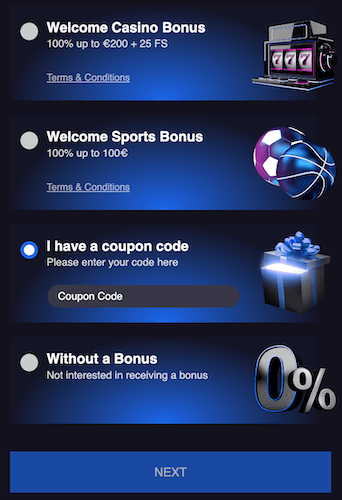
The most delicate part is not always registration, but the step where the newly opened account encounters the first financial decision. Many users read quickly, deposit immediately, and only later try to understand if the offer was actually activated. A more useful approach is the opposite: open the account, check the profile, identify the correct area, and then proceed in a precise order.

Imagine you're on the couch, with notifications coming in and the phone switching from Wi-Fi to mobile data. It's a very common context, but perfect for making a mistake. Those who want to reduce errors choose a clean moment: stable connection, sufficient battery, attention focused on a single procedure.

Another important point concerns expectations. The orderly user doesn't log in thinking everything should be immediate. They know that good activation requires reading, checking, and perhaps a second login for verification. This attitude reduces haste and makes it easier to understand what really happened in the account.

Operational Aspect

What to Check

Why It's Needed

Abitudine Utile

Attivazione Iniziale

Fase corretta della procedura

Evita errori di sequenza

Leggere prima di versare

First Deposit

Importo già deciso

Riduce scelte impulsive

Stabilire il budget fuori dalla cassa

Sessione Di Prova

Tempo massimo disponibile

Aiuta a non allungarsi

Usare un timer semplice

Profilo Personale

Dati completi e coerenti

Semplifica verifiche future

Reread each field immediately

Final Exit

Movimenti e saldo aggiornati

Evita rientri inutili

Fare logout e chiudere tutto

Where to Enter Pribet Promo Code Correctly

The code should be treated as an administrative step, not a magic formula. First, it's advisable to understand where the correct field is, then check if the entry should be made during registration, in the first deposit, or in a specific section of the account. Think of a user who tries everything in a hurry from their phone, between one notification and another: that's where a simple detail becomes a source of doubt.

The best procedure is linear. Open the account, reach the right point, enter the code once, check the screen, and proceed without skipping steps. If something seems slow, don't repeat the command immediately. First, check the movements and wait for the interface to update.

bonus 3

Well-Constructed Registration and Profile

Registration is the point on which all future readability of the account depends. Email, phone number, password, and personal data should not be filled out as a formality. If they are entered correctly from the start, the rest of the process becomes more linear. If they are entered incorrectly, each subsequent phase becomes burdened with corrections, doubts, and wasted time.

Imagine registering late, with the TV on and the battery almost dead. There's nothing strange about this scene. It's precisely why it generates so many errors: it seems like a light action, so the user lowers their attention. In practice, an old email chosen out of habit or a poorly entered password is enough to find yourself later fixing everything at the least opportune moment.

Those who start well dedicate a few real minutes, not distracted minutes, to registration. Document nearby, phone charged, notifications reduced, and a final review of the filled fields. Once this is done, it's advisable to log into your account and immediately visit the essential sections: profile, transactions, control tools, and support. This way, the platform stops seeming like a vague environment and starts becoming a place you already know how to manage.

Deposits, Budget, and Session Pace

Money management begins before the payment screen. Many users think they decide the amount directly when they open the cashier. It's an understandable habit, but not very useful. The moment you see the figures on the screen and already feel the desire to start, the decision becomes more emotional and less thought-out.

Imagine being ready to play and finding amounts in front of you that all seem acceptable. If you haven't chosen beforehand, it's easy to adapt to the visual suggestion of the moment. More organized players decide the amount outside the cashier, link it to a maximum spending limit and the planned session duration, then enter the payment screen only to execute what they have already established.

Even the choice of method deserves order. Initially, it's best to simplify. A single main tool makes it easier to understand transactions and makes the history less scattered. When methods multiply without reason, the difficulty in reconstructing operations and habits also grows.

Then there's the issue of the second deposit, which for many marks the real change of tone. The first is usually part of the plan. The second often arises from a reaction: staying a little longer, trying to recover immediately, correcting a session that started poorly. Precisely for this reason, it's useful to decide its limit in advance. For some, a single top-up per session works; for others, none beyond the initial one.

Finally, time matters. Money without a time frame remains harder to manage, especially on a phone. If the budget is decided but the time isn't, the session can lengthen and make account transactions less clear. A simple timer often makes more difference than it seems.

First Deposit With a Plan Already Decided

The first deposit should be the consequence of a plan, not the start of the plan itself. Think of a user who opens the cashier with the vague idea of "seeing how it goes." At that moment, they are letting the platform's flow suggest the next step. Those who maintain order do the opposite: they first decide the amount, duration, and objective of the session, then calmly make the deposit.

Account Verification Without Chasing Deadlines

Verification shouldn't be seen as a sudden obstacle. It's much simpler when the profile has been built well from the start. Imagine wanting to organize a withdrawal at the end of the evening and only then realizing that an account detail is inconsistent. Nothing dramatic, but the annoyance quickly grows. If, instead, you check the data during a calm phase, the account remains easier to manage.

Many users postpone this step because they find it tedious. In practice, it's one of the best ways to remove friction from later stages. Sorting out details early means avoiding chasing deadlines and corrections when you have little patience left and just want to complete a transaction.

Mobile, Notifications, and Correct Exit

The phone makes access much easier, but also much less delimited. Just having it in hand allows you to log into your account almost without realizing it. This is convenient, but requires more discipline. On mobile, you don't just have to decide how much to play. You also have to decide when to open the platform and when to keep it out of your day.

Imagine a morning with ten minutes free before leaving. You check messages, scroll through a news item, and then think of logging into the platform just for a moment. It's precisely this apparent lightness that makes you lose track. More attentive players use their phones strictly: they log in with a specific purpose, do what they need to do, and truly log out.

Notifications matter more than you might think. They can interrupt a procedure, bring you back into your account when you had already finished, or make an activity too visible that you'd prefer to keep private. For this reason, it's worth deciding which alerts are truly useful and which are not.

There's also the issue of closing. Many believe the session ends when they stop playing. In reality, it only ends when they check the main transactions, log out, and completely close the app or browser. As long as the account remains open in the background, re-entry is too easy.

Responsible Gambling in Italy in 2026

In 2026, talking about responsible gambling only makes sense if it remains concrete. Pribet is available in Italy for adult users and, in compliance with applicable rules, its use must be kept within clear boundaries: spending limits, real breaks, recognizable sessions, and decisions made before starting. Saying "I will play in moderation" is not enough. It requires transforming that phrase into practical habits.

Imagine a bad evening. You're tired, the phone is already in hand, and the platform becomes an easy distraction. That's precisely when it's advisable to stop and ask yourself if you are truly choosing to log in or if you are just filling a void. Many unproductive sessions start this way, not from a conscious choice but from an automatic response.

Control tools serve this purpose. Spending limits, temporary breaks, always visible history, timeouts, and self-exclusion when necessary are not obstacles. They are ways to bring the account back within a manageable perimeter. More organized players don't rely solely on willpower at the moment. They prepare a context that helps them respect their limits even when their mood changes.

A very useful practice is to separate administrative time from playing time. One day you log in just to check balance, transactions, and settings. Another day, if you wish, you dedicate a specific slot to a session. When these two functions remain distinct, the platform occupies less mental space, and it becomes easier to understand why you are opening it at that particular moment.

The rhythm of the week also matters. If you notice you're logging in too often just because your phone is already in hand, it might make sense to introduce voluntary breaks or more recognizable times. It's not a sacrifice. It's a way to prevent routine from slipping into automatism.

FAQ

The best choice starts from your real behavior, not from the most striking promise. If you usually have short sessions with modest amounts, you need a simple formula consistent with that rhythm. If, instead, to take advantage of it you have to change your budget or stay longer than expected, its practical value quickly diminishes. It's always advisable to read the activation sequence, times, and required steps before deciding.

It's advisable during a quiet moment, with a charged phone, document nearby, and a few minutes of real attention. Registering while doing something else often leads to small but annoying errors, especially with email, phone number, or password. Doing it calmly at the beginning avoids a lot of friction when you need to manage payments, verifications, or profile changes.

Because the choice made before the cashier is almost always more lucid than the one made within the payment screen. When you are already ready to start, the interface pushes you to act quickly. If you arrive with an amount already linked to a playing time and a maximum limit, the deposit remains a technical step and doesn't become the moment where you improvise everything.

The most useful rule is not to repeat the command immediately. It's better to first check the account movements, wait for the screen to update, and see if the operation has already been registered. Many problems arise from the second attempt made in panic, not from the initial small delay. An extra check here is worth much more than haste.

On the phone, time passes almost invisibly, so an external framework is needed. A pre-decided end time, a simple timer, and a clear goal are often enough to maintain control. Without this structure, it's easy to go from a quick account check to a much longer stay, almost without noticing.

When the desire to reload arises from reaction and not from the initial plan. If you have already used the decided amount and feel the need to stay a little longer to recover or change the course of the session, it is probably time to close. Taking a break and deciding later helps much more than an impulsive reload.

It's not enough to stop playing. It's advisable to check your balance and essential movements, log out, truly close the app or browser, and change activities for a few minutes. Even a simple gesture, like getting up from the sofa or putting the phone in another room, helps to create a clearer final boundary and reduces the risk of returning out of inertia.